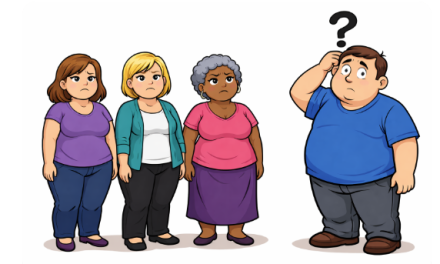

As blogged previously, making the diagnosis of obesity traditionally meant doing a simple calculation based on weight and height, called the body mass index (BMI). However, the BMI has limitations: it does not tell us anything about body composition (fat versus muscle), nor fat distribution (subcutaneous – under the skin, vs central (visceral) fat in the abdomen and around the organs). Some people who don’t meet the BMI threshold for overweight or obesity actually do have excess central body fat, which is important to identify, as it is the central fat that is associated with obesity-related metabolic diseases like cardiovascular disease and diabetes.
Accordingly, the diagnosis of obesity can now be made not only with BMI, but also with waist circumference, waist-to-height ratio, and/or waist-to-hip ratio.
A recent study asked: How common is obesity, using these expanded criteria? This was a US National Institute of Health (NIH) database study of over 301,000 adults participating in the ‘All Of Us’ research program, enrolled between 2017-2023. They found that, according to the old definition of obesity (ethnicity-specific BMI), the prevalence of obesity was 43%. Using the NEW definition of obesity (including waist-based measures), the prevalence of obesity was actually 69%. Said another way, 25% of the entire adult US population studied met waist-based criteria for obesity, despite a non-elevated BMI, and would have been missed if their waist had not been measured. Men, and older people, were more likely to fall under the BMI cutoff but fit the diagnosis of obesity by waist-based measures. Looking at ethnicity, the highest jump in obesity prevalence was seen in Asian people (from 27% under the old BMI criteria, to 51% using BMI and waist-based measures).
People with obesity by any definition had a higher risk of other weight-related conditions (eg cardiovascular, liver, kidney, arthritis, reproductive, diabetes etc), compared to those without obesity. Those who met BMI and anthropometric (waist)-based criteria had the highest risk, but those with anthropometric (waist)-only obesity had an elevated risk as well.
Also of important note – only 0.2% of people in the study who met BMI criteria for obesity, no longer met criteria for obesity when waist-based measures were included. These are the rare people who have ‘elevated’ BMI due to higher muscle mass, and do not have excessive body fat.
BOTTOM LINE: In making the diagnosis of obesity,it’s high time that we look beyond BMI in assessing for excess body fat, which means including waist-based measures in our assessment. In this American study, skipping the waist-based assessment missed the diagnosis of obesity in 25% of the entire population. People with elevated waist-based measures have an increased risk of weight-related health conditions, so it’s important not to miss the diagnosis of obesity in these people!
Subscribe to my blog! (upper right)
Follow me on X/twitter @drsuepedersen !
Share this blog post using your favorite social media link below!
www.drsue.ca © 2026