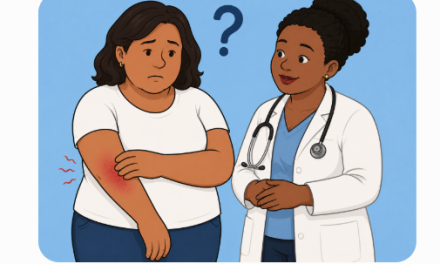
Sarcopenia, defined as low muscle mass with loss of strength and/or function, is associated with increased risk of falls, fractures, functional decline, and reduced quality of life. While sarcopenia was traditionally considered to affect older people, it is now recognized that people with metabolic health conditions (eg obesity, diabetes) are also at increased risk of sarcopenia.
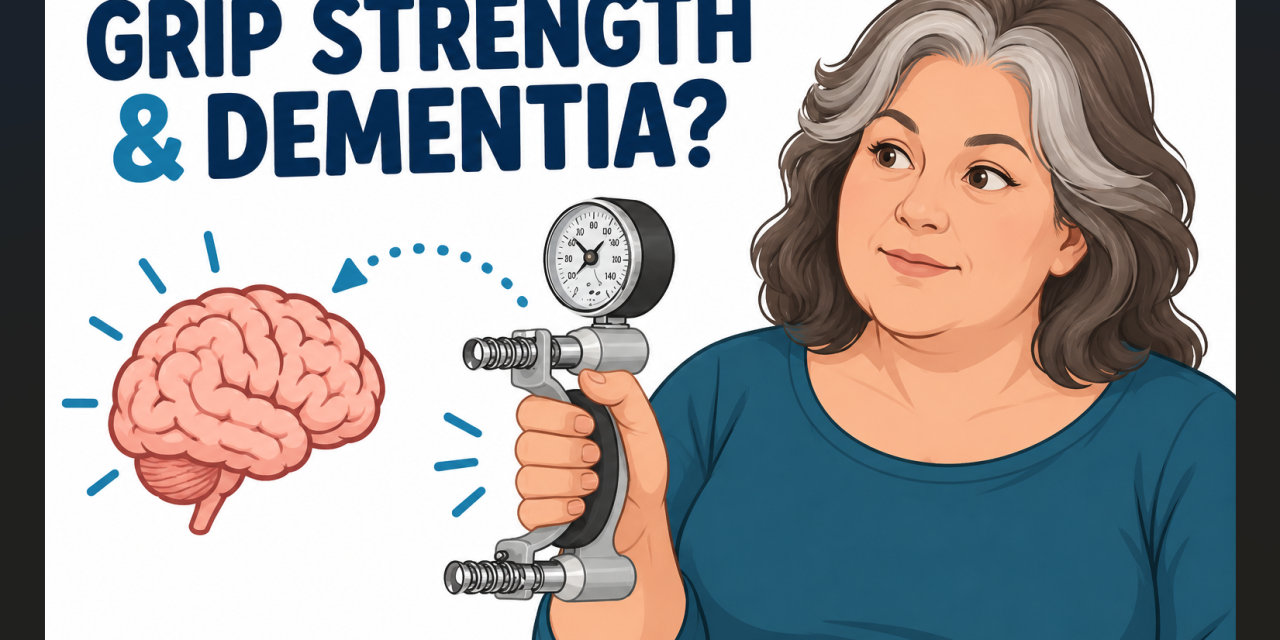
An easy way to test muscle strength is by testing grip strength using a dynamometer. A recent study suggests that this simple test can give us an important view into risk of dementia – perhaps seeming unrelated on the surface – but read on to learn how these are intimately connected.
The study evaluated data from nearly half a million people in the UK Biobank, evaluating body composition (using bioelectrical impedance analysis) and hand grip strength. They followed participants for a median of 13.6 years; over that time, 8647 people developed dementia. Just over 54,000 people had repeated measures available to track changes in body composition and grip strength over time (median follow up 4.1 years, over which time 145 dementia cases occurred). They found that:
- people with sarcopenia, either alone or in combination with obesity, had lower hand grip strength (something of a circuitous conclusion, given that low muscle strength is part of the sarcopenia diagnosis)
- people with obesity but no sarcopenia did not have reduced hand grip strength (same comment as above)
- sarcopenic obesity was associated with higher dementia risk compared with people without sarcopenia or obesity
- the association between sarcopenia, sarcopenic obesity, and dementia was stronger in younger people (<65 years old)
- the lower the hand grip strength, the higher the risk of dementia
- a decline in grip strength over time was associated with a higher risk of dementia; the greater the decrease in grip strength, the higher the risk of dementia
How are sarcopenia and dementia connected? Reduced muscle strength is thought to reflect deficits in neuromuscular integrity and mitochondrial function. Lower levels of hormones produced by muscles may play a role as well. In people with sarcopenia and obesity, the metabolic dysfunction, insulin resistance, and inflammation in the blood vessels and brain associated with elevated body fat likely contributes to the increased risk. Along the same theme, sarcopenia has been found to be associated with an increased risk of cardiovascular events as well.
BOTTOM LINE: Sarcopenia and sarcopenic obesity are associated with dementia risk. Hand grip strength is part of the clinical assessment for sarcopenia, and is a predictor of dementia risk. This study reminds us of the importance of screening for sarcopenia in clinical practice, recognizing the cardiometabolic risks that often accompany sarcopenia, and emphasizing the importance of physical activity and adequate protein intake to mitigate sarcopenia.
Share this blog post using your favorite social media link below!
Check me out on twitter! @drsuepedersen
www.drsue.ca © 2026