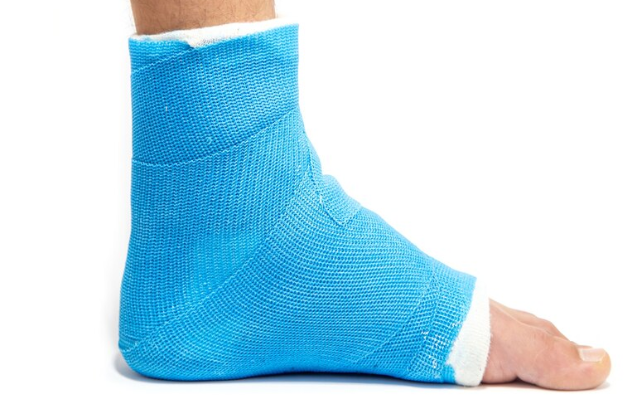
While it is sometimes assumed that people with obesity should have stronger bones as they are supporting a higher weight, and thus be at a lower risk of broken bones (fracture), this isn’t actually true. A recent excellent review published in The Lancet Diabetes & Endocrinology explores this complex topic.
Are people with obesity at higher risk of fracture?
While some may point to data suggesting that fracture risk decreases with increasing body mass index (BMI), the story is much more complex. While hip and wrist fractures are less common in people with obesity than those without obesity, lower leg, ankle, and possibly upper arm (humerus) fractures are actually more common.
What contributes to fracture risk in people with obesity?
It’s true that bone density is higher with higher weight, as the skeleton adapts to support a higher weight. The microarchitecture of bone has generally shown to be superior in structure and strength in people with obesity. However, people with obesity often have an increase in fragility of bones relative to the increase in weight-bearing. Above a BMI of 30, the rate of increase in bone density slows, suggesting a limit to how much stronger the skeleton can get to support a higher weight.
The relationship between bone structure and strength is complex in people with obesity, and may be to some extent dependent on where extra fat is accumulated (under the skin vs the more metabolically dangerous visceral fat around the organs). This is because visceral fat (central and around organs) makes inflammatory chemicals and hormones that can be damaging to bone health. Fat in the bone marrow itself may even play a role.
Some people with obesity are at higher risk of falls. Fat in muscles on a macroscopic (think of marbling of meat) and microscopic level can impair muscle function and may contribute to fall risk. Some health complications of obesity may put a person at higher risk of falls (eg arthritis, diabetic nerve damage, etc). Sarcopenia, a condition of insufficient muscle mass, is associated with increased risk of falls, which can of course result in fracture. On the plus side, padding of fat may protect against fractures at some locations such as the hip.
If a person with obesity also has type 2 diabetes, fracture risk is further increased, as diabetes has an adverse effect on bone properties as well.
So what do we know about the impacts of weight loss on bone health and fracture risk? And does it matter how that weight is lost? Stay tuned for another blog post to address these questions!
Check me out on X/twitter! @drsuepedersen
Follow me on Insta! drsuepedersen
Share this blog post using your favorite social media link below!
www.drsue.ca © 2024